Gaza & PalestinePolitics & Policy
Gaza Confronts the World With the Limits of Power Politics
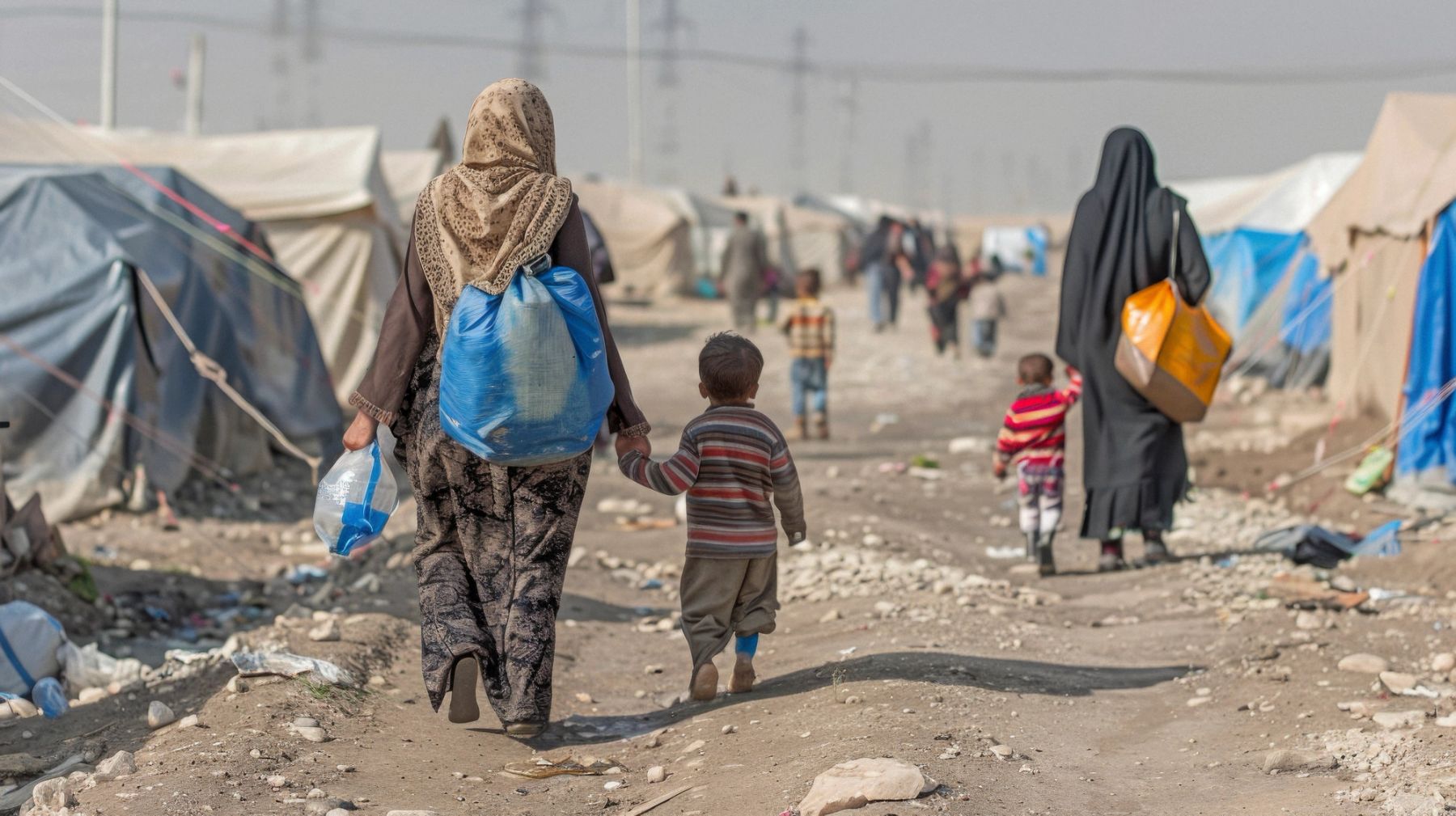
In a recent analysis titled “Gaza and the unravelling of a world order built on power,” Al Jazeera contributor Richard Falk examines how the Gaza crisis has exposed long-standing weaknesses in the international system. His piece explores why global institutions, particularly the United Nations, appeared constrained in their ability to respond, and how these limitations are rooted not only in current politics but also in the architecture of the post–World War II order itself.
Following World War II, the UN was established to prevent another global conflict and to provide a legal framework for peace. Yet its structure was shaped by the geopolitical priorities of the victorious Allied powers. The Security Council was given exclusive authority over international peace and security, and five states, the United States, the Soviet Union, France, the United Kingdom, and China, were granted permanent seats with veto power. This arrangement reflected the realities of power at the time but also ensured that central states could protect their interests from legal or collective pressure.
Falk argues that these foundational compromises continue to influence how the UN functions. The organisation can act decisively only when its most powerful members align. When they do not, international law often becomes secondary to geopolitical calculation. The Gaza crisis, marked by intense violence, humanitarian suffering, and broad international debate, has underscored this dynamic.
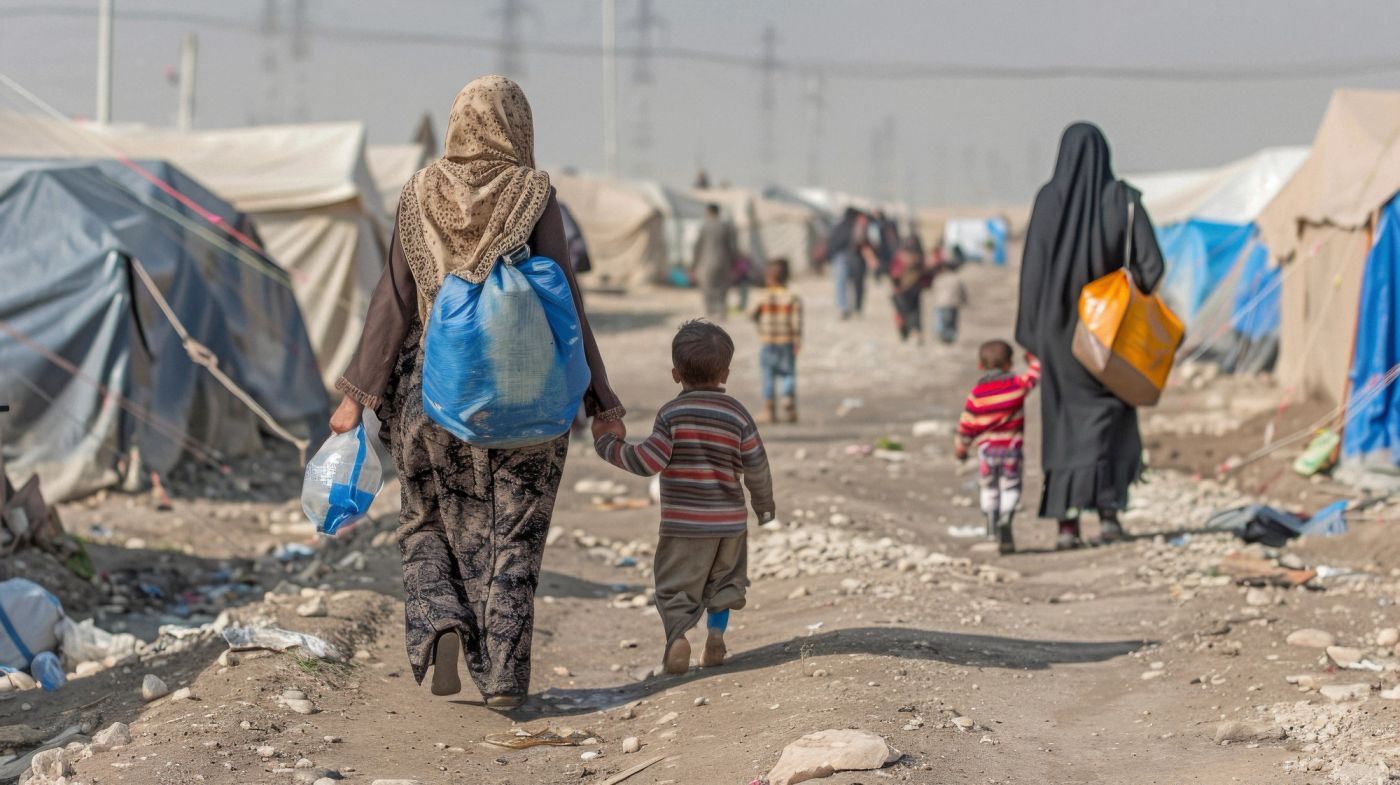
The UN’s Role and Limitations in Addressing the Gaza Conflict
Despite these constraints, several UN institutions played visible roles. The International Court of Justice issued provisional measures in response to allegations of genocidal acts. It later offered an advisory opinion stating that Israel’s administration of Gaza, the West Bank, and East Jerusalem violated international humanitarian law. The General Assembly backed the findings by a significant majority. Meanwhile, UN agencies such as UNRWA continued to deliver essential services under harsh conditions, despite funding shortfalls and operational restrictions.
Still, the larger tensions persist. The disconnect between legal principles and political power has raised broader questions about the legitimacy and effectiveness of global governance. The Security Council’s divisions and the limitations of the UN system have added to growing calls for reform, especially from states in the Global South and civil society actors seeking a more accountable and equitable international order.
Such topics are always essential and thought-provoking. To explore the full depth of Richard Falk’s insight, check out the original article on Al Jazeera.
Source: Gaza and the unravelling of a world order built on power.
Keep up with the Muslim Media Network for more insightful topics!
More on Gaza & Palestine
See all →
Nearly a Year Into the Gaza Ceasefire, Palestinians Are Still Waiting for the Relief They Were Promised
Christmas Returns to Gaza After Two Years of War
IslamiCity Examines Digital Erasure, Corporate Complicity, and the Battle Over Evidence in Gaza
Humanitarian Crisis in Gaza Deepens – School Shelter Shooting Amid Ceasefire
Related
Qatar Hosts Arab-Islamic Emergency Summit on Gaza: Key Takeaways
Qatar hosted a summit of Arab and Muslim nations on Monday, as nearly 60 member states gathered in Doha to denounce Israel’s bombing of the Qatari capital last week. Leaders described the strike, which killed at least six people, as a grave violation of sovereignty and a dangerous escalation in the war in Gaza. The…

Tarek Khalil Removed from Chicago City Council for Speaking Truth on Palestine
Tarek Khalil, the education coordinator associated with the American Muslims for Palestine (AMP). Was removed from a hearing on a resolution expressing solidarity with Palestine at the Chicago City Council. The incident has sparked debate and controversy, raising questions about the boundaries of free speech. As well as the ongoing injustice towards Palestine. Tarek Khalil…
Ayah Ziyadeh Muslim Advocacy Initiative– Inspiring Change
Ayah Ziyadeh Muslim advocacy director for American Muslims for Palestine (AMP), is an inspiring figure in the realm of human rights advocacy. She is a Palestinian-American scholar, activist, advocate, and writer. Ayah Ziyadeh has dedicated her life to raising awareness about Palestine and other critical human rights and Muslim issues. With her experience and academic…