
Light Upon Light – Episode 38: “Will You Bear Witness – Or Will You Remain Silent”
Article Refrence: IslamiCity
IslamiCity’s latest Light Upon Light episode confronts a central question shaping the global response to Gaza: what happens when evidence itself becomes a target?
Episode 38, titled “Will You Bear Witness – Or Will You Remain Silent,” frames the current moment as a crisis not only of humanitarian law, but of historical record. Drawing on religious texts, digital rights reports, and United Nations findings, the episode argues that the conflict in Gaza is unfolding alongside an unprecedented campaign of digital erasure.
Read Also: IslamiCity Light Upon Light Podcast: Discussing the Sydney Tragedy, Healing, and Standing Together
From Metaphor to Material Reality
The episode opens with a well-known prophetic saying about a future time when holding onto faith will be like holding onto a burning coal. Traditionally understood as a metaphor for moral endurance, the episode reframes it for the digital age: today’s “coal”.
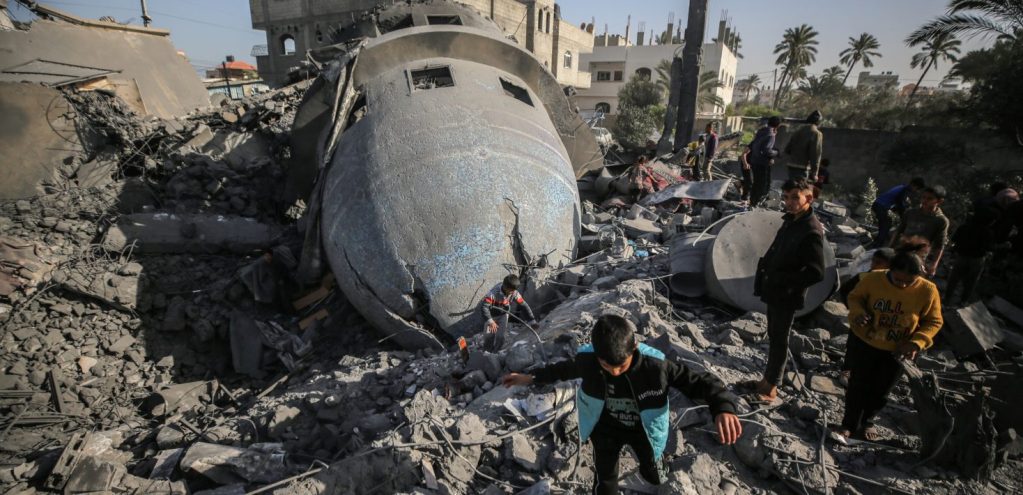
Smartphones documenting airstrikes, cloud servers storing footage, and social media posts showing civilian harm have become central to how Gaza is witnessed globally. At the same time, the episode asserts, these same tools are increasingly subject to suppression.
Testimony as the Foundation of History
A core theme of the episode is testimony, the act of bearing witness. Islamcity positions documentation not merely as expression but as preservation. The episode notes that throughout history, power has often depended on who controls the narrative, warning that unrecorded events are vulnerable to distortion or denial.
Gaza, the episode argues, represents the most extensively documented civilian assault in modern history, with victims, journalists, and residents recording events in real time. Yet this volume of documentation has coincided with large-scale content removal.
A Documented Pattern of Content Suppression
Citing a report by digital rights group Sada Social, the episode highlights more than 25,000 documented violations against Palestinian digital content in a single year. According to the report, platforms including Instagram, Facebook, TikTok, and X removed posts, restricted reach, or suspended accounts, with 86.8% of censored content relating to Palestinian deaths or injuries.
The episode characterizes this trend not as routine moderation but as systematic obstruction, arguing that evidence threatens accountability and is therefore treated as a liability.
Corporate Infrastructure Behind the War
Beyond content moderation, Light Upon Light examines the economic and technological systems sustaining the conflict.
The episode references a 2025 United Nations report titled “From the Economy of Occupation to the Economy of Genocide,” which identifies over 1,000 corporations linked to Israel’s military operations.
The episode argues that these corporate relationships extend responsibility beyond the battlefield, embedding the conflict within global supply chains, pension funds, and investment portfolios.

Evidence as a Collective Responsibility
Rather than calling for outrage, the episode emphasizes a structured response. Central to this is digital preservation.
IslamiCity highlights initiatives such as Evidence Archived, a project designed to securely store documentation across decentralized servers, protecting material that may be removed from mainstream platforms. The episode presents this effort as a safeguard for journalists, legal proceedings, and historical accountability.
Economic Pressure and Public Clarity
The episode also examines economic disengagement, encouraging scrutiny of the intersection of financial institutions, technologies, and consumer spending with military infrastructure. Boycotts and divestment, it argues, function as accountability mechanisms rather than symbolic gestures.
Equally emphasized is public education: explaining complex systems such as Project Nimbus, AI-assisted targeting programs, and UN findings in an accessible language to counter misinformation and narrative dilution.
Competing Algorithms
The episode concludes by contrasting two forces: algorithmic systems that can suppress or amplify content, and long-term accountability mechanisms that rely on preserved evidence.
According to IslamiCity, the outcome will depend on whether documentation survives long enough to be examined, archived, and acted upon.
Supporting Evidence Preservation
IslamiCity is currently raising $100,000 for the Evidence Archive Project, which aims to protect digital testimony related to Gaza and other conflict zones. The organization frames the initiative as a response to what it describes as a widening gap between documentation and accountability.
As Light Upon Light Episode 38 makes clear, the battle over Gaza is not only being fought on the ground, but across servers, platforms, and archives where the future understanding of this moment may ultimately be decided.
Support IslamiCity on their mission to Help Preserve the truth.


