The Turning Point For Palestine – What This Means for The Future
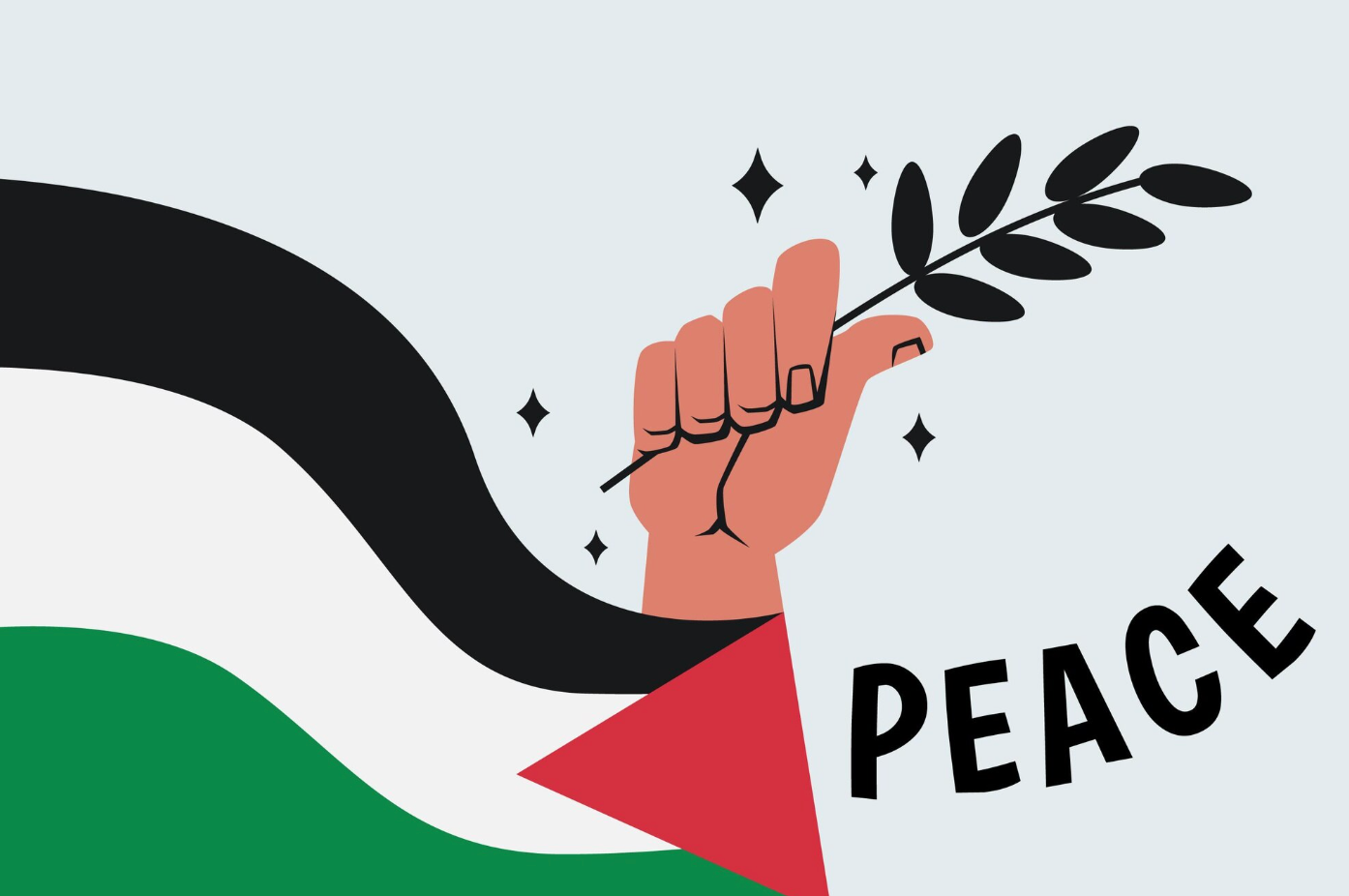
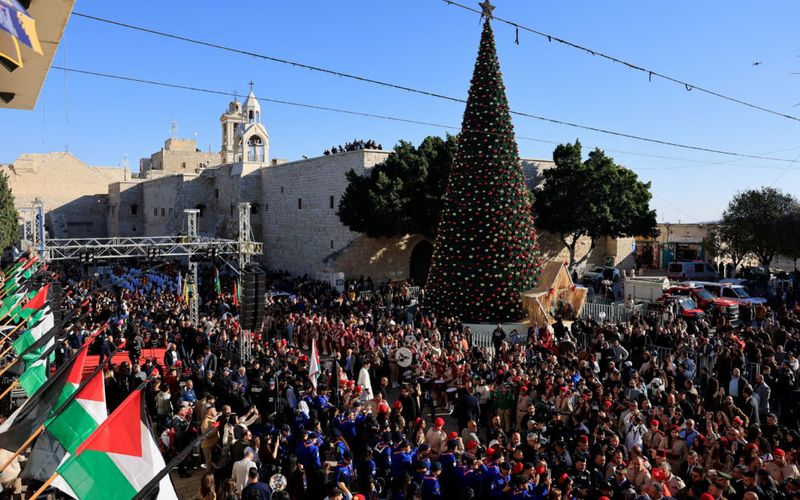
In recent months, a new chapter has begun to unfold in the long and painful story of Palestine. What once seemed like a distant ideal, the establishment of a sovereign Palestinian state is now emerging as an unavoidable reality on the world stage. The latest wave of diplomatic recognition, led most recently by France in September 2025, has given new political weight to the Palestinian cause and reignited global debate over justice, accountability, and the meaning of peace in the Middle East.
Over 147 of the United Nations’ 193 member states now recognise Palestine as an independent state. This is not just symbolic. It marks a profound shift in the world’s collective moral and political stance. After decades of stalled negotiations, shattered peace talks, and cycles of violence, the question is no longer whether Palestine deserves recognition but why it took the world so long to grant it.
International Consensus Builds Toward Palestinian Statehood
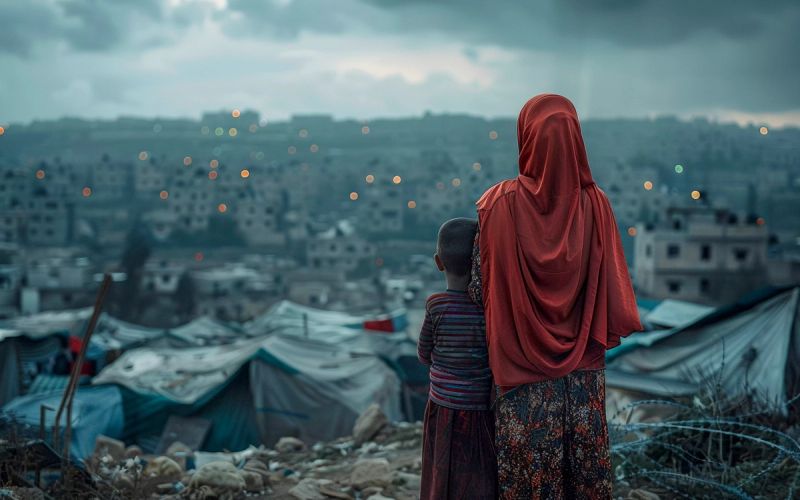
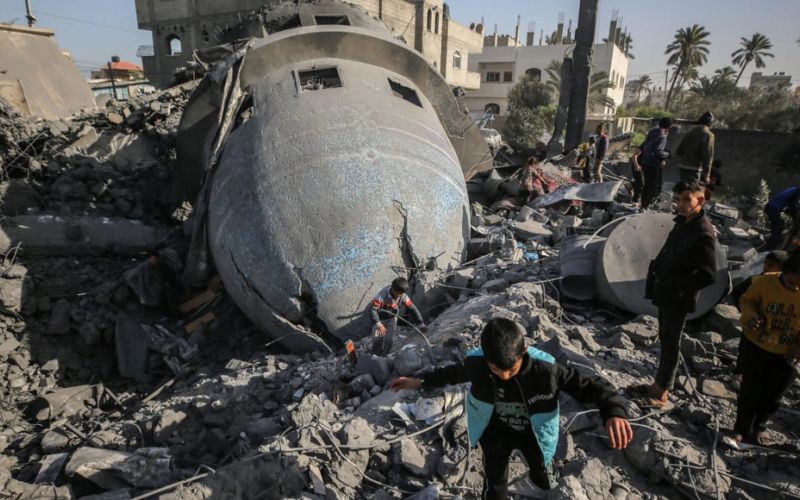
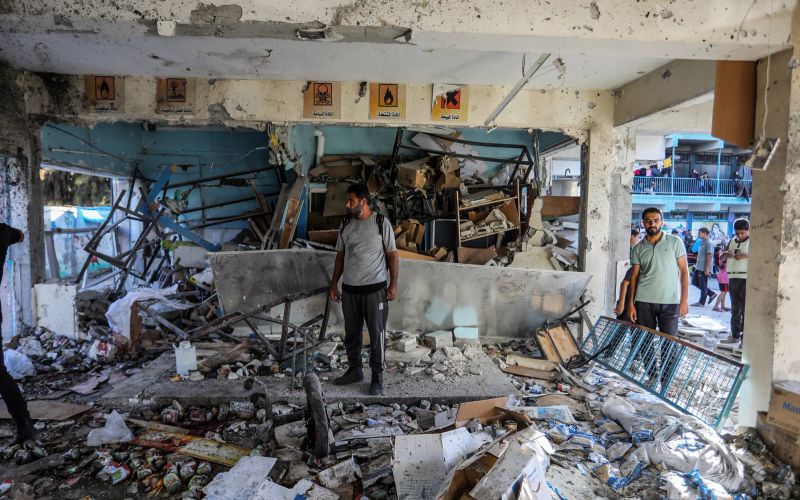
The turning point comes amid unprecedented devastation in Gaza, where more than 65,000 Palestinians have been killed in ongoing Israeli military operations. Images of flattened neighbourhoods, overcrowded hospitals, and displaced families have sparked worldwide outrage. In response, international institutions and grassroots movements alike have demanded not only an immediate ceasefire but also a permanent political resolution that recognises Palestinian sovereignty as a right, not a reward.
At the United Nations, that sentiment has translated into action. In September 2025, the General Assembly overwhelmingly adopted a resolution calling for an end to the war in Gaza and the implementation of a two-state solution. UN Secretary-General António Guterres captured the moment succinctly: “Statehood for Palestinians is a right, not a reward.” The words echoed across capitals and campuses, carried by a sense that history was catching up with reality.
Even among traditional allies of Israel, the political calculus appears to be shifting. The humanitarian toll and the persistence of occupation have eroded long-standing arguments that framed Palestinian independence as contingent on negotiations. As French President Emmanuel Macron declared during France’s recognition of Palestine, “Peace cannot exist without justice, and justice demands recognition.”
Yet optimism must be tempered with realism. New proposals, such as the 20-point peace plan floated by former U.S. President Donald Trump in September 2025, reflect how much remains unresolved. Some critics even warn that such frameworks often focus on ceasefire logistics and power arrangements while sidelining core Palestinian demands: an end to occupation, the right of return, and full equality under international law.
The Road Ahead for a Recognized Palestine
For Palestinians, recognition is just one step toward genuine self-determination. The true test will lie in what follows: rebuilding Gaza, ensuring free governance, restoring rights, and creating the conditions for dignity.
Still, the tide has turned. What once existed as a moral appeal has evolved into a global political consensus. Recognition alone will not end the conflict, but it has reshaped its terms. The world is no longer debating the legitimacy of a Palestinian state. The discussion centers on how soon and how fairly the state will emerge.
Whether this is a new era, it carries both promise and responsibility. For the first time in generations, Palestine’s future is being written not in the shadows of war but in the light of global recognition. Whether that light endures will depend on the courage of nations and the resilience of a people who have never stopped believing in their right to exist.