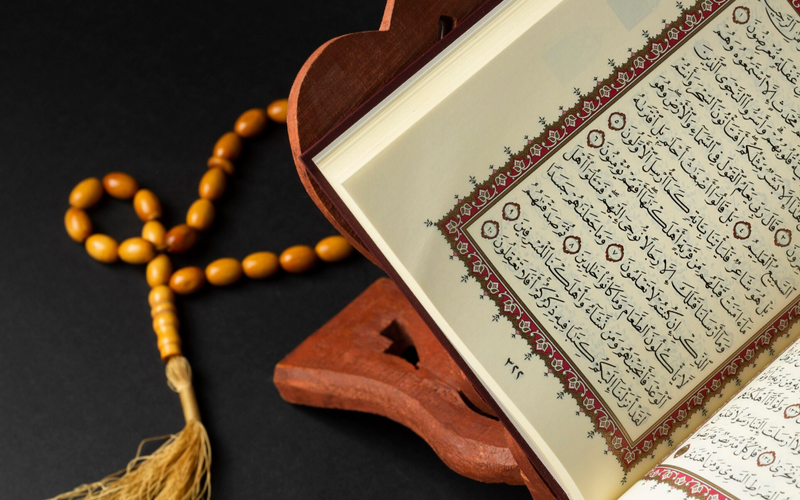
IslamiCity Debunks Sharia Law Misconceptions

Have you ever stopped to wonder why Shariah Law would chop the hands of starving people who steal food?
If you have it’s time to realize that what you’re thinking about is not Shariah Law at all.
Many people, including some Muslims, have a profoundly mistaken view of what Shariah really is. They imagine it as a barbaric system that amputates hands and executes people without mercy, trial, or justice, a law without compassion, rights, or due process.
In a recent publication, IslamiCity has debunked the negative connotation that revolves around it.
A System of Justice and Compassion
Shariah, in its authentic form, is not merely a list of punishments. It is a comprehensive framework of justice governing worship, social conduct, economics, family relations, and moral behavior. At its core are values of mercy, equity, and accountability.
When it comes to theft, the Qur’an does mention amputation, but this ruling exists within a strict web of conditions that make its real-world application extremely rare. Classical Islamic scholars agreed that such punishment could only apply when:
- The stolen item was valuable, not a necessity like food.
- The theft was proven beyond doubt.
- The act was deliberate, not driven by hunger or need.
- Society had fulfilled its duty to provide for its citizens.
If any of these conditions fail, the punishment cannot be carried out. In fact, if a person steals food out of starvation, the moral failure lies with the community and leadership, not the individual. Shariah demands that the poor be fed before they are judged.
Mercy Before Judgment
The Prophet Muhammad ﷺ emphasized mercy over punishment, saying:
“Avert the prescribed penalties by doubts as much as you can.”
(Sunan Ibn Majah, 2545)
This principle forms the backbone of Islamic justice. Any doubt about intention, circumstance, or evidence is enough to halt a harsh penalty. The goal of Shariah is reform, not retribution; justice, not cruelty.
Understanding Before Condemning
Much of what the world sees today as “Shariah Law” is often political misuse or selective interpretation, stripped of context and compassion. True Shariah aims to protect five universal human values: life, faith, intellect, property, and dignity.
It holds those in power accountable and ensures that the basic needs of all people are met. When properly understood, it is not a tool of oppression but a system designed to build balance and social welfare.
Before judging Shariah by sensational headlines, it’s worth exploring what it genuinely stands for: a moral and legal framework built to serve justice with humanity.
Shariah does not punish the poor; it protects them. It does not glorify vengeance; it upholds fairness. And it does not amputate hands out of cruelty; it seeks to create a society where no one needs to steal in the first place.
Article Reference: IslamiCity
More on Faith & Culture
See all →


Related
IslamiCity: The Quran Nurtures Intellect and Shapes Reason
A recent piece from IslamiCity, a leading online resource for Muslim news, faith, and community life since 1995, explores how the Quran doesn’t just appeal to human reason; it actively nourishes and develops it. Reason as a Path to Understanding Drawing on multiple verses, the article by Mansoor Alam explains that the Quran was revealed…
IslamiCity Takes a Closer Look at Ocean Conservation
IslamiCity examines the growing global focus on ocean conservation, highlighting recent research and reporting on the importance of marine ecosystems, particularly the world’s increasingly threatened kelp forests. Oceans cover about 71% of the Earth’s surface and contain roughly 97% of the planet’s water. They regulate the global climate, support immense biodiversity, and produce more than…

Meeting a Growing Need: IslamiCity’s Free Quran Service Expands Global Access to Islamic Knowledge
As misinformation and anti-Muslim sentiment continue to affect communities around the world, access to authentic Islamic knowledge has become increasingly important. Recognizing this need, IslamiCity launched its Free Quran Service in 2001 to help make translations of the Quran available to people seeking reliable information about Islam. Originally introduced during a period marked by acts…