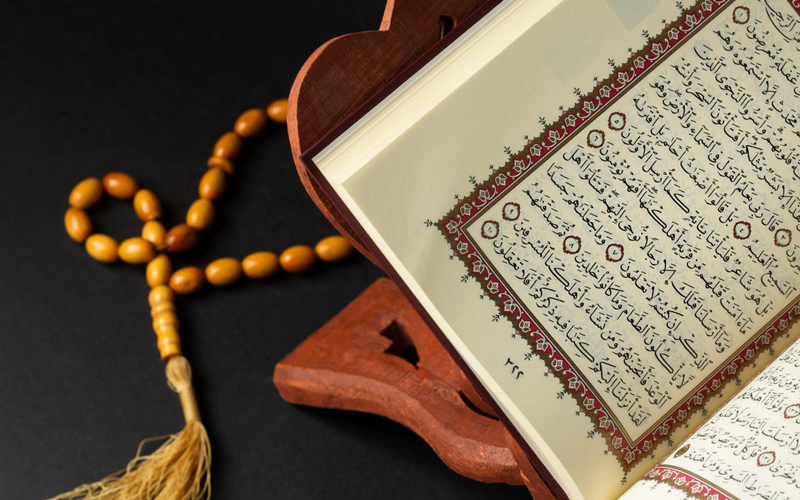
IslamiCity Puts Light on Tolerance: Uzbekistan’s Longstanding Legacy of Harmony

As the world marks the International Day for Tolerance, first declared by UNESCO on November 16, 1995, IslamiCity’s attention to this theme offers a timely and necessary reflection. In an era shaped by polarisation and rising global tensions, the platform’s focus on religious coexistence and compassion carries particular weight, especially when viewed through the lens of Uzbekistan’s deep-rooted traditions of interfaith and interethnic harmony.
Uzbekistan, historically positioned at the crossroads of great civilizations, has long embodied the values now championed by global institutions. Diverse cultures, languages, and faiths have coexisted across the region for centuries, forming a social fabric that is uniquely resilient and inclusive. This heritage continues to shape national policy today. President Shavkat Mirziyoyev, speaking at the 72nd session of the United Nations General Assembly, reaffirmed this commitment by stressing that Islam calls believers “to kindness and peace” and condemns any attempt to associate the faith with violence.
Uzbekistan’s legal foundations clearly reflect this ethos. The constitution guarantees equal rights regardless of religion or ethnic background, ensuring all communities can freely practice their beliefs. More than 130 ethnic groups and 16 religious denominations live peacefully across the country, tangible evidence of its enduring culture of tolerance.

IslamiCity’s Contribution to Global Conversations on Religious Harmony
IslamiCity’s engagement with this topic is particularly significant because it amplifies an understanding of Islam rooted in compassion, justice, and coexistence. The concept of muruwwat, an Islamic ethic that prioritizes beauty and grace over conflict, is reflected in both scripture and history. From the Prophet Muhammad ﷺ standing in respect for the funeral of a Jewish man, to the Caliph Umar’s protection of non-Muslim citizens, Islamic tradition has long emphasized the dignity of every human being. These teachings align closely with Uzbekistan’s own moral and historical trajectory.
By highlighting these principles, IslamiCity broadens global awareness of the Islamic tradition’s rich heritage of tolerance, a heritage echoed in Uzbekistan’s policies, scholarship, and everyday life. At a time when misinterpretations of religion can fuel misunderstanding, platforms like IslamiCity play a vital role in restoring nuance and reaffirming the message of peace central to the Qur’an and the Prophet’s example.
Their coverage serves not only as a reminder of Islam’s universal call to coexistence but also as validation of the ongoing efforts in countries like Uzbekistan, where religious harmony remains both a cultural inheritance and a strategic priority for national development.
Reference: IslamiCity Coverage on Tolerance and Interfaith Harmony.
More on Faith & Culture
See all →



Related
IslamiCity: The Quran Nurtures Intellect and Shapes Reason
A recent piece from IslamiCity, a leading online resource for Muslim news, faith, and community life since 1995, explores how the Quran doesn’t just appeal to human reason; it actively nourishes and develops it. Reason as a Path to Understanding Drawing on multiple verses, the article by Mansoor Alam explains that the Quran was revealed…
IslamiCity Takes a Closer Look at Ocean Conservation
IslamiCity examines the growing global focus on ocean conservation, highlighting recent research and reporting on the importance of marine ecosystems, particularly the world’s increasingly threatened kelp forests. Oceans cover about 71% of the Earth’s surface and contain roughly 97% of the planet’s water. They regulate the global climate, support immense biodiversity, and produce more than…

Meeting a Growing Need: IslamiCity’s Free Quran Service Expands Global Access to Islamic Knowledge
As misinformation and anti-Muslim sentiment continue to affect communities around the world, access to authentic Islamic knowledge has become increasingly important. Recognizing this need, IslamiCity launched its Free Quran Service in 2001 to help make translations of the Quran available to people seeking reliable information about Islam. Originally introduced during a period marked by acts…