CommunityFaith & CultureCivil Rights
American Muslims in California Find Hope and Belonging After 2026 Midterm Election Wins
A California Muslim leader says the 2026 midterms gave American Muslims a moment of hope and belonging after years of scrutiny. In a guest commentary for CalMatters, Tahra Goraya points to historic wins and a voter focus on everyday issues over fear.
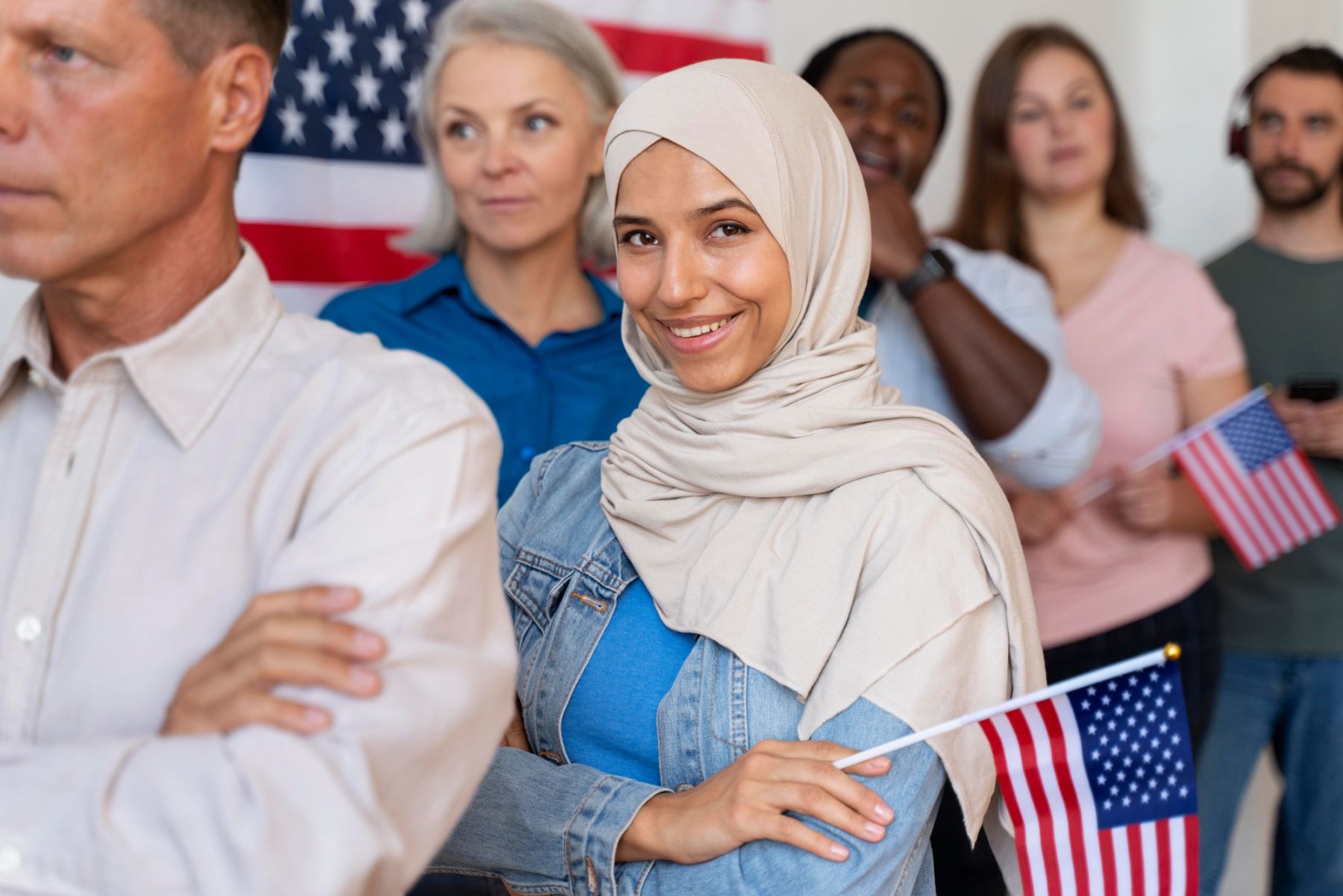
Muslim Americans Reflect on the 2026 Midterm Election
In a guest commentary published Nov. 10, 2026, Tahra Goraya argues that the midterms mattered for more than who won or lost. Goraya is the founder of Goraya Consulting, a member of the California Commission on Asian and Pacific Islander American Affairs and a former president and CEO of the Monterey Bay Economic Partnership. She writes that the election gave Muslims in California a chance to reclaim hope and reaffirm their place in the American story.
Goraya says Muslim Americans have long had their faith, patriotism and belonging questioned, and that their identity has been used as a political talking point. She writes that the community has kept showing up as neighbors, educators, entrepreneurs, public servants and parents.
Historic Wins for Muslim Representation in American Politics
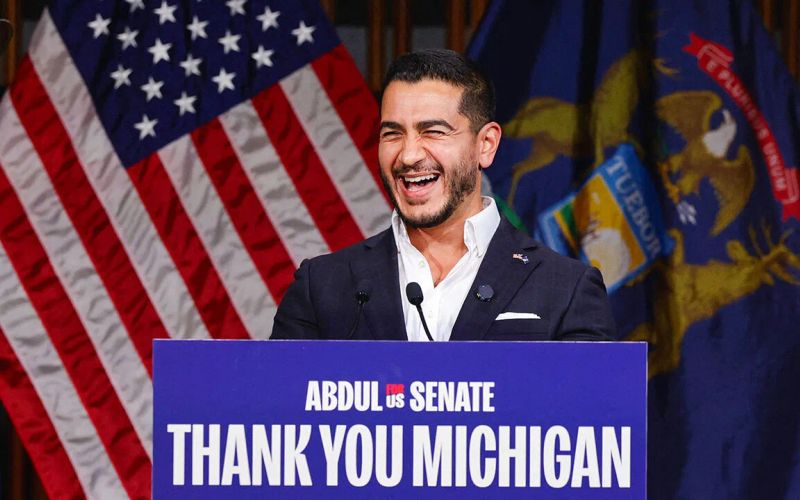
Goraya highlights two results. She says Abdul El-Sayed’s win in Michigan makes him the first Muslim American elected to the U.S. Senate. She also cites Xavier Becerra’s election as California’s next governor as another chapter in the state’s diverse political history.
AP’s results back up both races. As of Nov. 12, 11:01 p.m. CET, AP’s count shows Democrat Abdul El-Sayed as the winner of Michigan’s U.S. Senate race, with 52.5% of the vote to Republican Mike Rogers’ 45.5%, and AP has called the race. As of Nov. 13, 3:51 a.m. CET, AP’s count shows Democrat Xavier Becerra as the winner of California’s governor race, with 65.6% to Republican Steve Hilton’s 34.4%, and AP has called that race too. Both counts were still being finalized at those times, so the numbers may have changed since.
Goraya stresses that representation matters because institutions are stronger when people from every background have a seat at the table, not because officials should represent only one community.
Affordability, Housing and Healthcare Over Fear
Goraya says voters made clear that affordability, housing, healthcare, education and the economy matter to them. In her view, attacks on whole communities are no substitute for leadership that addresses those concerns.
She also describes American Muslims as essential contributors to the economy, as business owners, employers, workers and professionals in fields from healthcare and technology to manufacturing and hospitality. She adds that belonging should never be measured by economic contribution alone.
Representation and the Next Generation of Muslim Americans
Goraya, who is raising two preteen daughters, writes that she wants Muslim children to see that they can be unapologetically Muslim and proudly American. Her message to them is that “They belong right now.”
Islamophobia and Civil Rights Work Continue
Goraya cautions that the results do not mean Islamophobia or discrimination has disappeared. She says fear did not silence participation or hope, and she calls on the community to hold leaders accountable, defend religious freedom, challenge discrimination and build ties across faiths and cultures.
Sources: Tahra Goraya, “California Muslims gained a moment of hope and belonging after midterm election,” CalMatters, Nov. 10, 2026 (opinion); The Associated Press election results.
More on Community
See all →
IslamiCity and HADI Relief: How a Pioneering Muslim Web Portal Connects Faith, Zakat and Global Humanitarian Aid
Meet the Muslim Members of Congress in 2026: Who Won and What They Stand For
Why Akbar Hussaini Wrote “The Great Disconnect Between Islam and Muslims”
Muslim Americans Build Political Power as First Muslim Senator-Elect Joins Record Wave of Muslim Officials
Related
Muslim Americans: A Young, Growing Community Gaining Political Representation
Pew Research Center projects that the American Muslim community will become the country’s second-largest religious group by 2040, growing from 3.45 million to 8.1 million by 2050. Researchers credit a young population and continued immigration.
Dozens of Muslim Americans Are on the Ballot as Midterms Near
Dozens of Muslim Americans are on the Nov. 3 ballot, from Michigan’s Senate race to state and local contests, as groups like CAIR push registration and turnout. Organizers say top concerns include Gaza, immigration and free speech, along with barriers like transportation and ID rules.
IslamiCity Spotlights Community Feeding Program in New York
One in five New Yorkers, about 1.6 million people, lack sustainable access to food, and community feeding programs are stepping in to close the gap. Citing IslamiCity, this article looks at how neighborhood efforts like Mercy Truck deliver trusted, halal meals across all five boroughs.