Dozens of Muslim Americans Are on the Ballot as Midterms Near
Dozens of Muslim Americans are on the Nov. 3 ballot, from Michigan’s Senate race to state and local contests, as groups like CAIR push registration and turnout. Organizers say top concerns include Gaza, immigration and free speech, along with barriers like transportation and ID rules.

With the Nov. 3 midterm elections 11 days away, Muslim American candidates are running in congressional, state and local races across the country, and community groups are working to get voters to the polls.
Muslim Network TV (MNTV) identified at least 51 Muslim Americans on the ballot, including 11 candidates for Congress. Abdul El-Sayed, who won Michigan’s Democratic Senate primary in August, would be the first Muslim U.S. senator if elected. MNTV also listed several possible firsts: Adam Hamawy would be New Jersey’s first Muslim member of Congress, Aber Kawas would be the first Palestinian American in New York’s state legislature, and Letitia Plummer would be the first Muslim county executive in Texas and the American South. The outlet said about 50 more candidates with names common in Muslim communities were flagged but not confirmed.
CAIR counts 225 Muslim American elected officials currently serving nationwide. In August, it launched Muslims.Vote, a nonpartisan campaign offering registration and voting tools. Its strategic plan sets a goal of two million net new Muslim voter registrations this cycle and estimates 2.5 million registered Muslim voters in twelve states that will help decide control of Congress. Before Michigan’s Aug. 4 primary, CAIR and CAIR-Michigan ran a robocall campaign reaching more than 48,000 Muslim voters.
On the ground, organizers say priorities vary. At a gathering in Columbus, Ohio, this month, participants named the war in Gaza, immigration and free speech among their top concerns. Organizers also listed barriers to voting: law enforcement presence near polling places, transportation, ID requirements and registration deadlines. A second session is scheduled for Oct. 24.
More on Community
See all →
Texas Board Approves Social Studies Standards on Islam; CAIR Vows to Challenge Them
IslamiCity’s “Light Upon Light” Episode 71 Explores Three Things Worth Keeping Private
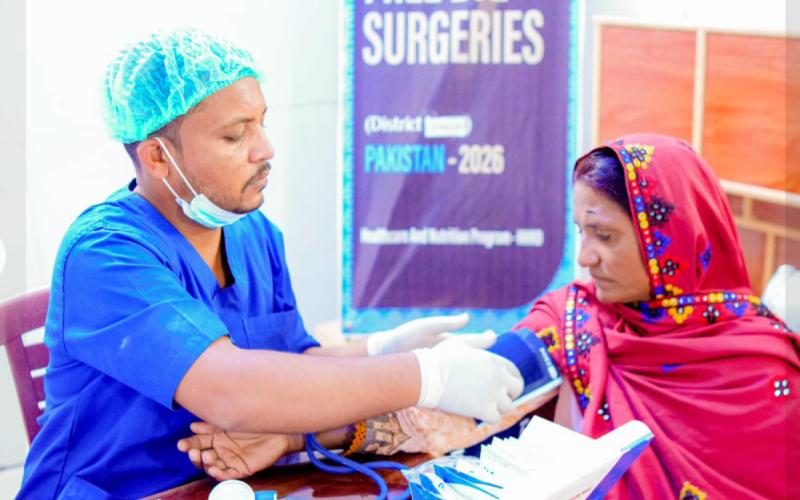
Helping Hand for Relief and Development Opens Free Eye Camp and Cataract Surgeries in Sukkur, Pakistan
IslamiCity Shares Commentary: Enforced Disappearance Is a Feminist Cause
Related
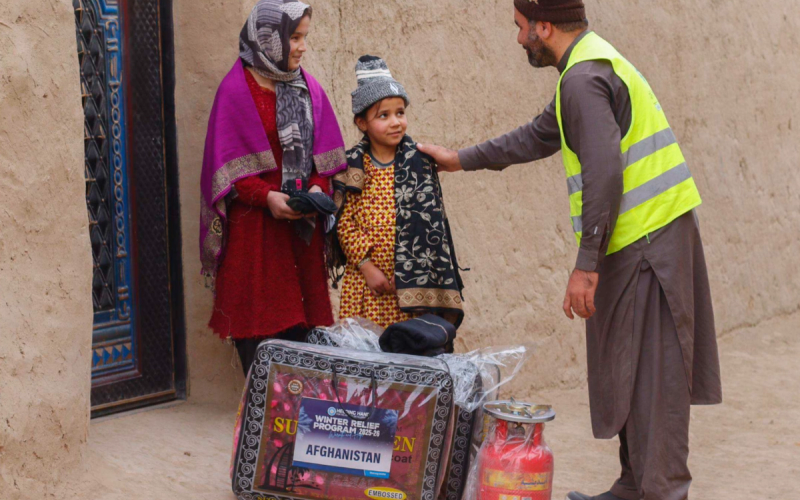
HHRD Debunks Common Winter Relief Program Misconceptions as Winter Preparations Begin
HHRD clears up common misconceptions about its Winter Relief program, which provides more than blankets to refugees, orphans and vulnerable families in more than 20 countries.
ICNA Council for Social Justice Covers Juneteenth
The coverage of Juneteenth’s significance by the Islamic Circle of North America (ICNA) Council for Social Justice is crucial and highly significant to Muslims in America. By shedding light on the importance of this historic day, ICNA contributes to raising awareness about the history of slavery, emancipation, and the ongoing struggles for racial justice in…