CommunityFaith & CultureRelief & Charity
IslamiCity Spotlights Community Feeding Program in New York
One in five New Yorkers, about 1.6 million people, lack sustainable access to food, and community feeding programs are stepping in to close the gap. Citing IslamiCity, this article looks at how neighborhood efforts like Mercy Truck deliver trusted, halal meals across all five boroughs.
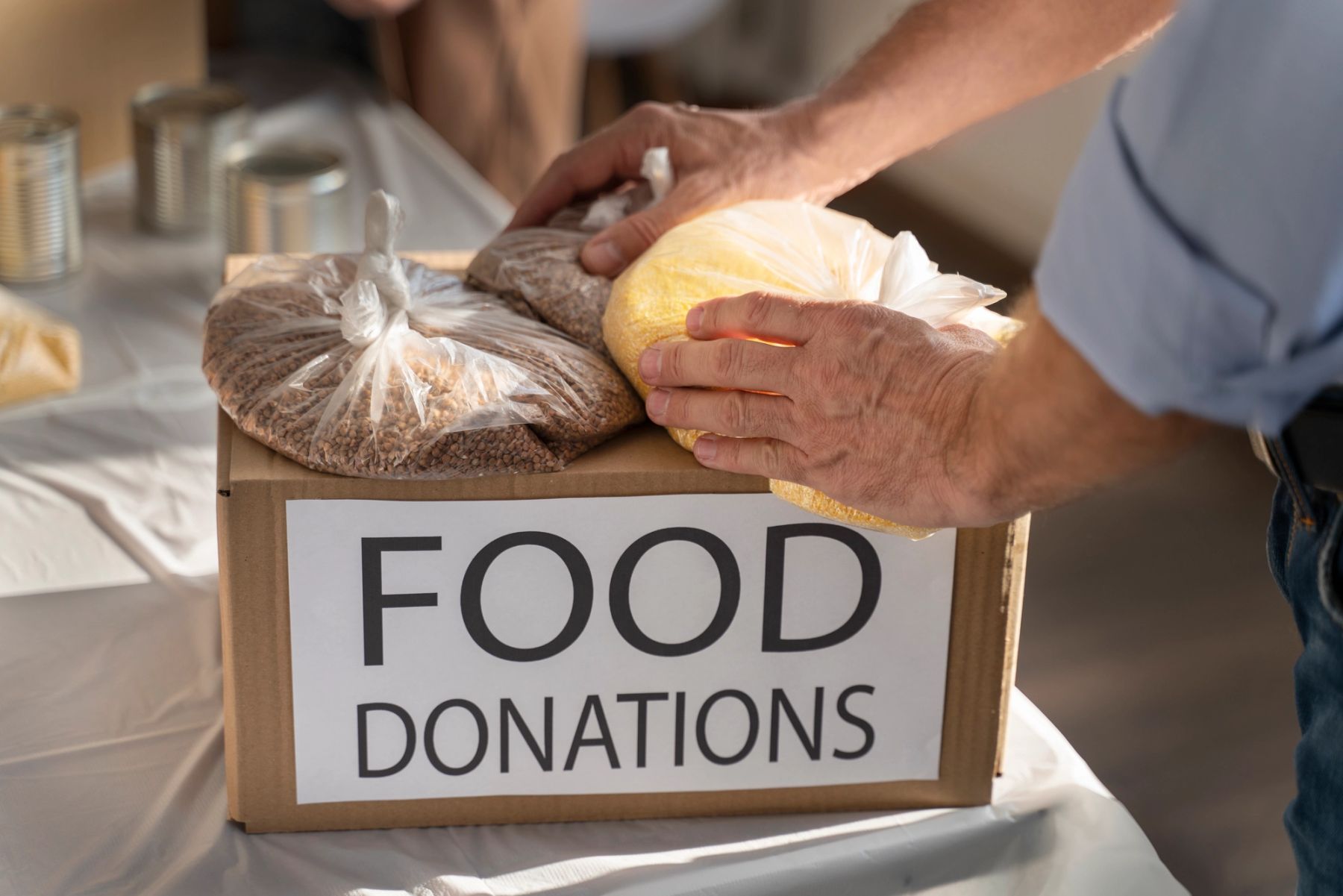
New York City sits atop one of the largest food economies in the world, yet for many of its residents, the next meal is far from certain. As rent, utilities, childcare, and groceries compete for the same limited income, food is often the first expense a family can cut, because the other bills cannot wait.
The scale is striking. Roughly one in five New Yorkers, about 1.6 million people, lack sustainable access to food, according to a recent article published by IslamiCity. Food pantries, soup kitchens and community programs logged more than 45 million visits last year.
A Safety Net Built Neighborhood by Neighborhood
Government assistance and large relief organizations remain essential to fighting hunger at scale. Alongside them, houses of worship, pantries, kitchens and mobile programs carry food into the neighborhoods where people actually live.
Their advantage is trust and proximity. Masjids, churches, community centers and local nonprofits already hold the relationships and local knowledge that larger systems struggle to replicate. They can also redirect usable surplus from restaurants and suppliers, cutting waste while feeding people.
No single meal solves the structural causes of food insecurity, and lasting solutions require tackling the economic forces that leave families unable to afford food. As IslamiCity underscores, though, people who are hungry today still need to eat today.
Halal Meals and Culturally Appropriate Care
For Muslim families, access to food also means confidence that it is permissible to eat. Halal meals delivered through trusted community partners ensure that assistance is not only available but appropriate for the people receiving it, a point that is easy to overlook in large-scale distribution.
Mercy Truck: Mobility in Practice
One program built on these ideas is Mercy Truck, which IslamiCity describes as the first domestic U.S. program of Humanity for Relief and Development (HRD). It began serving New York City in 2024, linking food suppliers, restaurants, masjids, community groups, donors and a mobile distribution system to deliver warm, nutritious halal meals. Recipients include people experiencing homelessness and migrants living in shelters.
The program works with more than 20 masjids across all five boroughs. It has recovered and distributed more than 14,000 pounds of food, and during Ramadan alone it handed out more than 10,000 iftar and suhoor meals. Behind those totals is a simple chain: a supplier has food, a donor provides resources, a masjid knows its neighborhood, and a community partner knows where the need is.
A Duty Rooted in Faith
For Muslims, feeding others is part of answering what Allah has provided. The Qur'an describes the righteous as those who feed the poor, the orphan, and the captive even while loving food themselves (76:8). When a masjid helps feed its neighbors, that teaching becomes action.
IslamiCity's Emphasis on Charity and Community Service
The article reflects a steady focus at IslamiCity, an online Islamic platform operated by the nonprofit HADI. It ran the piece in its Life & Society section and Charity topic, featuring it prominently. Related coverage on the site includes pieces on Ramadan giving and an Eid gifts initiative for orphans. The common thread is pairing faith-based motivation with concrete, local detail about who is helping and how.
Read the original article, “Fighting Hunger in New York City: Why Community Feeding Programs Matter,” on IslamiCity
Link:
Also Read:
Major Muslim Charity Rebrands Under Congressional Pressure
Muslim American Civic Groups Ramp Up Turnout Push Ahead of 2026 Midterms