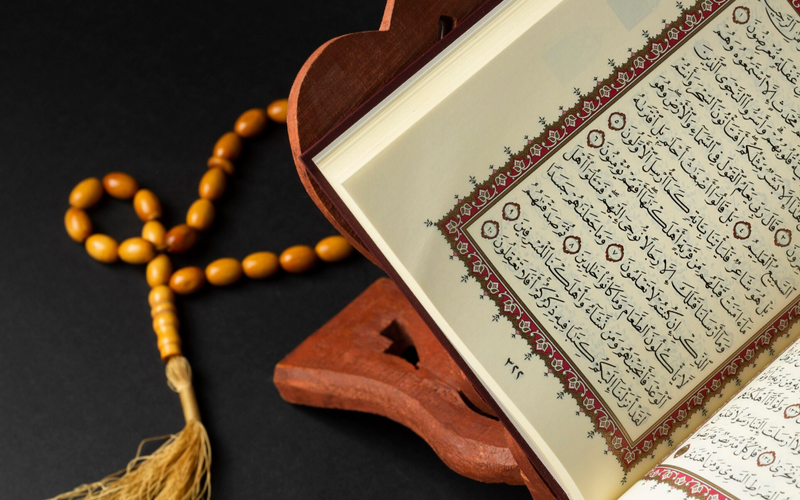
IslamiCity Shares Everything You Need to Know About Hajj
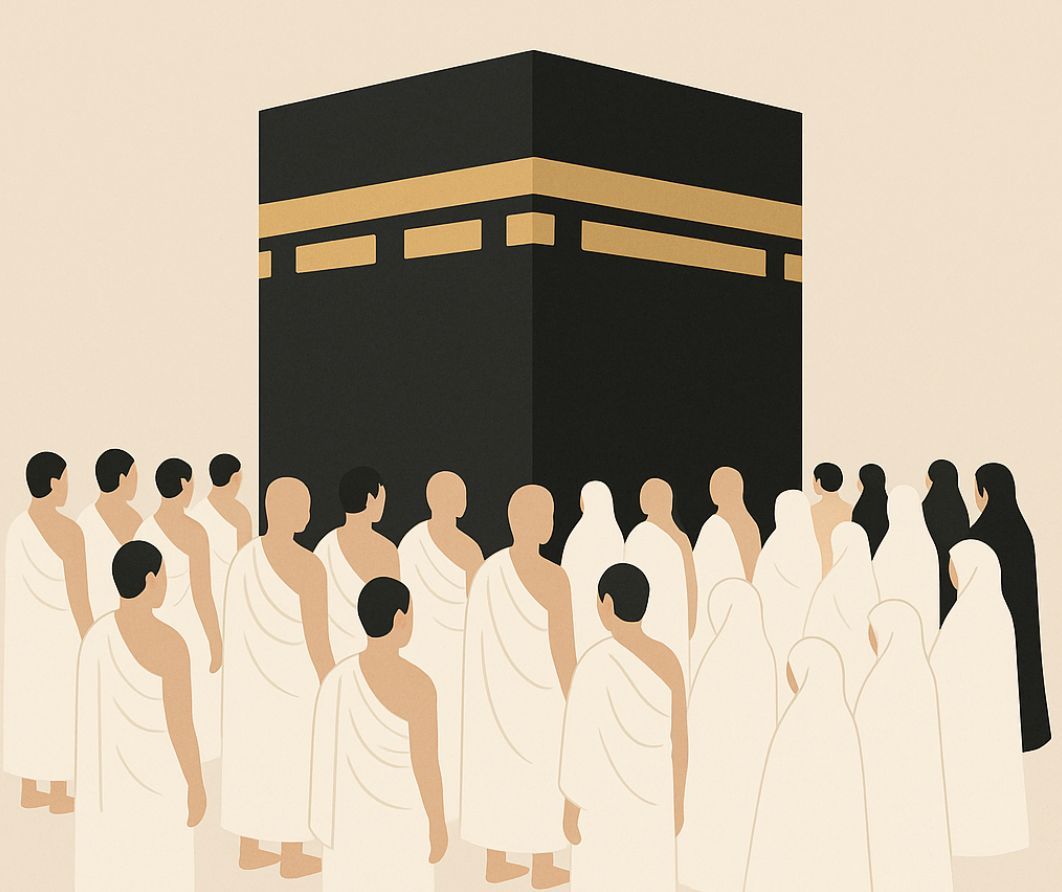
Hajj, the pilgrimage to Mecca, is one of the five pillars of Islam and a profound spiritual journey for Muslims. Every Muslim who is physically and financially able is obligated to perform Hajj at least once in their lifetime. The pilgrimage takes place during the Islamic month of Dhul-Hijjah, bringing millions of believers together from around the world.
Key Aspects of Hajj
Obligation and Timing:
Hajj is a mandatory religious duty but only for those who have the means and health to complete it. It occurs annually during specific days of Dhul-Hijjah, with the Day of Arafah being its most significant moment.
Major Rituals:
- Ihram: Pilgrims enter a state of sacredness by wearing simple, white garments, symbolizing equality and purity.
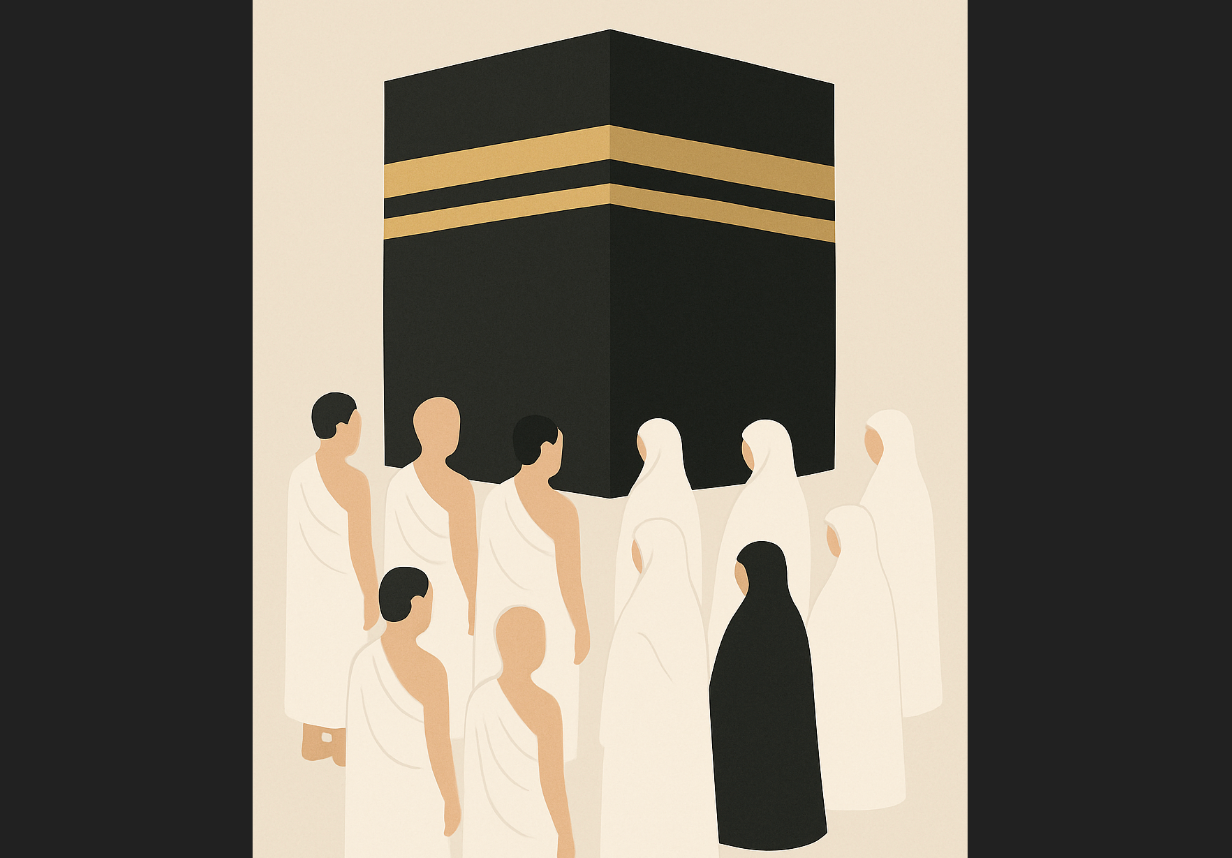
- Tawaf: Pilgrims walk around the Kaaba seven times, in a counter-clockwise direction.
- Sa’i: Pilgrims walk seven times between the hills of Safa and Marwah, honoring Hagar’s search for water.
- Standing at Arafat, pilgrims spend the afternoon praying and seeking forgiveness, an act considered the spiritual climax of Hajj.=
- Muzdalifah and Mina: Pilgrims collect pebbles in Muzdalifah and perform the ritual of stoning the devil in Mina, symbolizing the rejection of evil.
- Eid al-Adha: Pilgrims participate in the sacrifice, commemorating Prophet Abraham’s devotion to God.
Spiritual and Communal Significance
Hajj is more than a physical journey; it is an intense spiritual transformation. Pilgrims seek forgiveness, renew their faith, and deepen their connection with God. Completing Hajj is believed to cleanse a person of all previous sins, offering a fresh, pure start in life.
Additionally, Hajj highlights the unity and diversity of the Muslim community. Regardless of nationality, race, or status, all pilgrims stand equal before God, fostering a profound sense of brotherhood and sisterhood.
Interesting Facts About Hajj
- Hajj is one of the largest annual religious gatherings in the world, attracting 2 to 5 million participants each year.
- The rites of Hajj are performed between the 8th and 12th of Dhul-Hijjah.
- Eid al-Adha, the Festival of Sacrifice, falls on the 10th day of Dhul-Hijjah.
- Male pilgrims wear two simple white cloths, while female pilgrims wear modest dresses and cover their heads.
- Hajj encourages self-reflection, sacrifice, humility, and community spirit, leaving a lasting impact on pilgrims’ lives.
Hajj is a once-in-a-lifetime opportunity to experience spiritual renewal, personal growth, and a deep connection with the broader Muslim Ummah.
For a comprehensive and detailed guide to Hajj, Islamicity provides numerous resources that address every question about this sacred journey.
Article Reference: IslamiCity
More on Faith & Culture
See all →


Related
IslamiCity: The Quran Nurtures Intellect and Shapes Reason
A recent piece from IslamiCity, a leading online resource for Muslim news, faith, and community life since 1995, explores how the Quran doesn’t just appeal to human reason; it actively nourishes and develops it. Reason as a Path to Understanding Drawing on multiple verses, the article by Mansoor Alam explains that the Quran was revealed…
IslamiCity Takes a Closer Look at Ocean Conservation
IslamiCity examines the growing global focus on ocean conservation, highlighting recent research and reporting on the importance of marine ecosystems, particularly the world’s increasingly threatened kelp forests. Oceans cover about 71% of the Earth’s surface and contain roughly 97% of the planet’s water. They regulate the global climate, support immense biodiversity, and produce more than…

Meeting a Growing Need: IslamiCity’s Free Quran Service Expands Global Access to Islamic Knowledge
As misinformation and anti-Muslim sentiment continue to affect communities around the world, access to authentic Islamic knowledge has become increasingly important. Recognizing this need, IslamiCity launched its Free Quran Service in 2001 to help make translations of the Quran available to people seeking reliable information about Islam. Originally introduced during a period marked by acts…