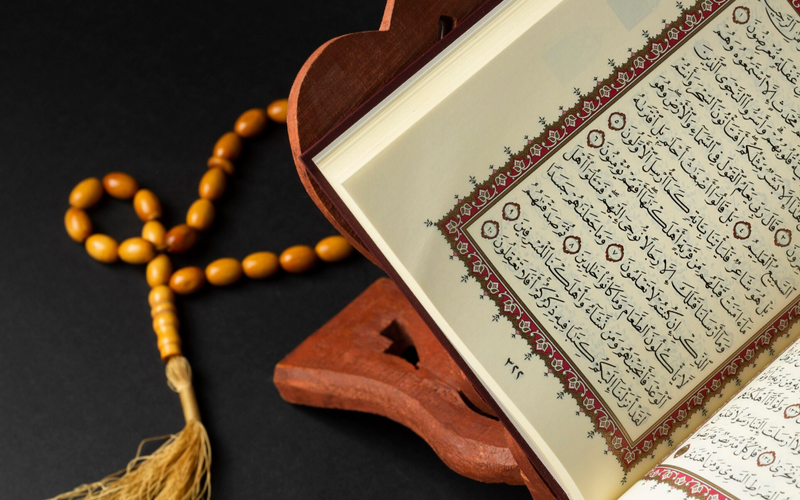
IslamiCity Gives The Ramadan Checklist for the Heart

In a thoughtful podcast episode, IslamiCity opens with a reminder that Ramadan does not arrive suddenly.
Long before the new moon appears, its approach is already felt, in subtle shifts of attention, in emotional fatigue, and in an unspoken sense that a period of reflection is approaching. It is a quiet awareness that something meaningful is drawing near.
As explored in Light Upon Light Episode 41 by IslamiCity, Ramadan is not simply a month that begins on a calendar. It is more like a guest whose arrival invites preparation. The real question is not when Ramadan starts, but how people choose to meet it.
The Qur’an frames fasting as a practice that cultivates awareness, discipline, and moral clarity. In that sense, Ramadan is less about abstaining from food and more about sharpening attention to behavior, intention, and inner life. Like any meaningful journey, it requires preparation.
Why Presence Matters as Ramadan Approaches?
Before the body adjusts to fasting, the inner energy deserves attention. One of the recurring themes IslamiCity highlights is the importance of intention not as a ritual phrase, but as a moment of honesty. Why does Ramadan matter? Is it familiarity and routine, or a desire for renewal and recalibration?
Traditionally, the weeks leading up to Ramadan have been seen as a time for readiness rather than waiting. The reminder is simple: reaching Ramadan is not guaranteed. Preparing for it, even quietly, is an act of awareness and gratitude.
As the month approaches, many people focus on practical planning work schedules, meals, and time management. But the deeper work happens elsewhere. Carrying unresolved resentment, guilt, or distraction into Ramadan can dull its impact. Preparation begins with reflection: who needs forgiveness, what habits need reconsideration, and what inner conversations have been postponed?
Ramadan also marks a period when many reconnect with the Qur’an, believed to have been revealed during this month. This connection does not require ambitious reading targets or scholarly expertise. It begins with attention, reading slowly, reflecting briefly, and showing consistency. The text is not asking for mastery; it is asking for presence.
Physical readiness matters too. Fasting can feel abrupt when approached without transition. Historically, people eased into the rhythm by adjusting their sleep patterns, reducing distractions, and practicing moderation beforehand. When the body is prepared gradually, Ramadan feels less like a disruption and more like a reset.
Equally important is making space for personal reflection and prayer. Ramadan is often viewed as a time when hopes, concerns, and long-held questions come closer to the surface. Preparation means acknowledging what has been carried quietly, paused ambitions, unanswered questions, and ongoing hopes for healing. Ramadan is not only about restraint; it is also about hope.
Ultimately, Ramadan offers an opportunity for change but only for those willing to accept it. The promise of renewal associated with the month assumes openness and effort. The question worth asking before it begins is not how busy the month will be, but whether one is willing to emerge from it differently.
Not louder.
Not busier.
But more aware.
Ramadan does not wait for people to feel ready. It responds to sincerity.
As the days approach, the reminder remains clear: Ramadan is not preparation for hunger. It is preparation for clarity and for light.
IslamiCity’s Light Upon Light, Episode 41
A reflection on how Ramadan begins in the inner life long before it begins on the calendar.
Article Refrence: IslamiCity
More on Faith & Culture
See all →



Related
IslamiCity: The Quran Nurtures Intellect and Shapes Reason
A recent piece from IslamiCity, a leading online resource for Muslim news, faith, and community life since 1995, explores how the Quran doesn’t just appeal to human reason; it actively nourishes and develops it. Reason as a Path to Understanding Drawing on multiple verses, the article by Mansoor Alam explains that the Quran was revealed…
IslamiCity Takes a Closer Look at Ocean Conservation
IslamiCity examines the growing global focus on ocean conservation, highlighting recent research and reporting on the importance of marine ecosystems, particularly the world’s increasingly threatened kelp forests. Oceans cover about 71% of the Earth’s surface and contain roughly 97% of the planet’s water. They regulate the global climate, support immense biodiversity, and produce more than…

Meeting a Growing Need: IslamiCity’s Free Quran Service Expands Global Access to Islamic Knowledge
As misinformation and anti-Muslim sentiment continue to affect communities around the world, access to authentic Islamic knowledge has become increasingly important. Recognizing this need, IslamiCity launched its Free Quran Service in 2001 to help make translations of the Quran available to people seeking reliable information about Islam. Originally introduced during a period marked by acts…