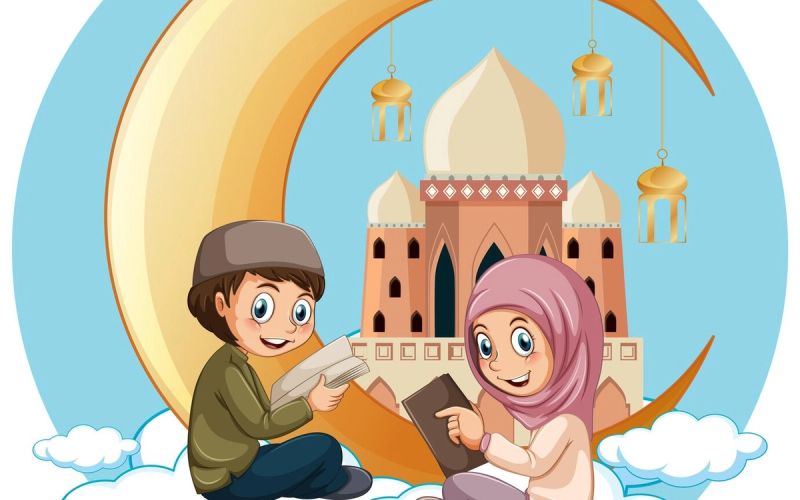
IslamiCity Looks at How Universities Worldwide Are Rethinking the Purpose of Education

Across much of the world, universities continue to prioritize a single goal: producing graduates ready for the workforce. Islamicity discussed this matter in one of their recent publications. Learning outcomes, assessments, and curricula are often designed around employability job skills, technical competencies, and industry-aligned attributes. While these priorities hold undeniable value, they also expose a crucial gap: an educational model that serves economies rather than humanity.
This tension has become increasingly visible as societies grapple with workplace stress, declining empathy, and a sense of spiritual and moral imbalance. Preparing students to perform tasks is not the same as preparing them to become whole, ethical, reflective human beings. Islam’s educational philosophy offers a lens through which to understand this imbalance. In Islamic tradition, tarbiyah education is not merely the transmission of knowledge but the cultivation of the human soul. It aims to nurture individuals who live with purpose, justice, compassion, and accountability to God.

Insaniyyah and the Moral Reorientation of Modern Education
As lifelong learning, micro-credentials, and rapid integration of industry and education reshape global higher education, many scholars and leaders are calling for a paradigm shift. Among them, Prof. Emerita Datuk Dr. Asma Ismail argues that while job competencies remain essential, they are no longer sufficient in a world defined by volatility, uncertainty, and complex ethical dilemmas. Future graduates must be equipped with systems thinking, empathy, creativity, resilience, and the moral intelligence needed to navigate an interconnected world. These are not soft skills; they are life-enabling virtues.
The broader transformation of higher education, therefore, requires rethinking its very purpose. Curricula must integrate ethics, experiential learning, interdisciplinary approaches, technological literacy, and values-driven leadership. Educational leadership, in turn, must be visionary, collaborative, and grounded in amana, the Islamic concept of leadership as trust and moral responsibility. Aligning institutional strategies with national priorities and global realities becomes essential, as does participating in cross-border learning networks that encourage ethical and holistic development.
Though examples such as Malaysia’s higher education reforms offer applicable models, the underlying principles are universal. Whether in the Muslim world or beyond, societies face a shared need: to cultivate graduates who are employable yet anchored, skilled yet compassionate, globally aware yet spiritually conscious. This is the essence of insaniyyah, human wholeness, which classical Islamic scholarship always placed at the heart of education.
Platforms that encourage open, thoughtful discussion about these shifts are vital for shaping the future of learning.
IslamiCity continues to offer a space where such conversations can unfold, fostering dialogue on how education can remain true to its highest purpose: nurturing minds and forming souls toward truth, justice, and mercy.
Find the whole article below.
More on Education & Youth
See all →
Texas Board Approves Social Studies Standards on Islam; CAIR Vows to Challenge Them
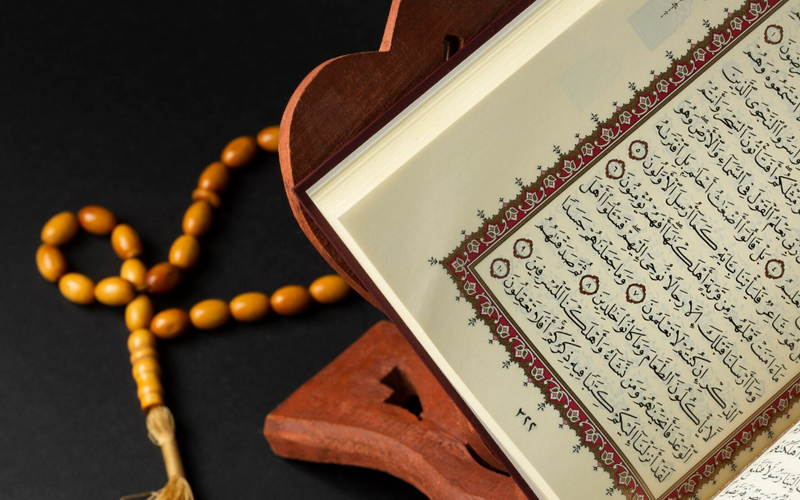
IslamiCity’s “Light Upon Light” Episode 71 Explores Three Things Worth Keeping Private
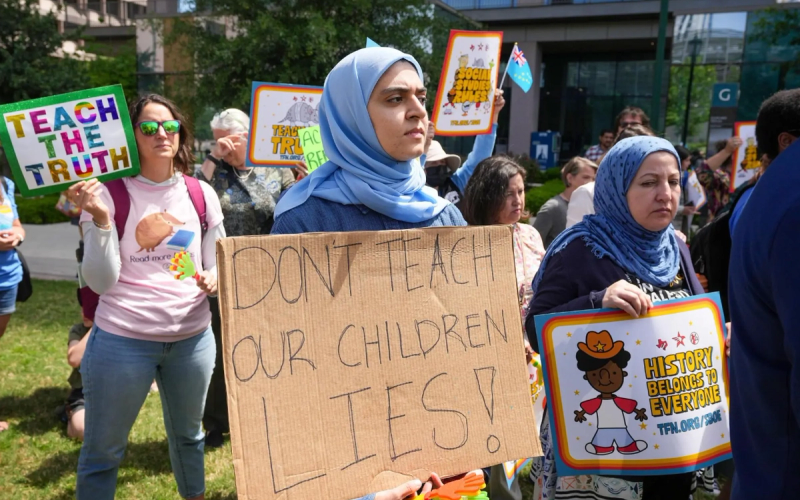
Texas Schools Approve Curriculum Muslim Students Call an Attack on Their Faith
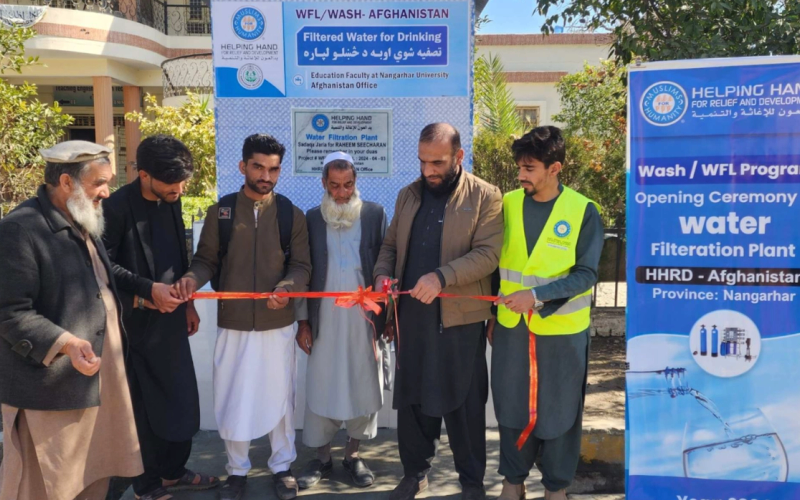
HHRD Unveils Water Filtration Station at Afghan University
Related
IslamiCity Academy: Integrating Knowledge with Islamic Values
IslamiCity has announced the official launch of IslamiCity Academy (ICA), a comprehensive online educational platform designed to nurture both the mind and the soul. With over three decades of trusted service to the Muslim community, IslamiCity is expanding its mission through this new initiative, offering affordable and flexible online learning for Grades K–12. Starting in…

IslamiCity Introduces Ramadan with Omar & Layla: A Special Children’s Series
Ramadan is a time of reflection, devotion, and self-improvement, and IslamiCity is making it even more engaging for children with their special series: Ramadan with Omar & Layla. This delightful program introduces young viewers to the beauty of Ramadan in a fun and educational way. IslamiCity offers a wide range of resources on its website,…