Strength in Hardships: Quranic Advice for Building a Winner Mindset
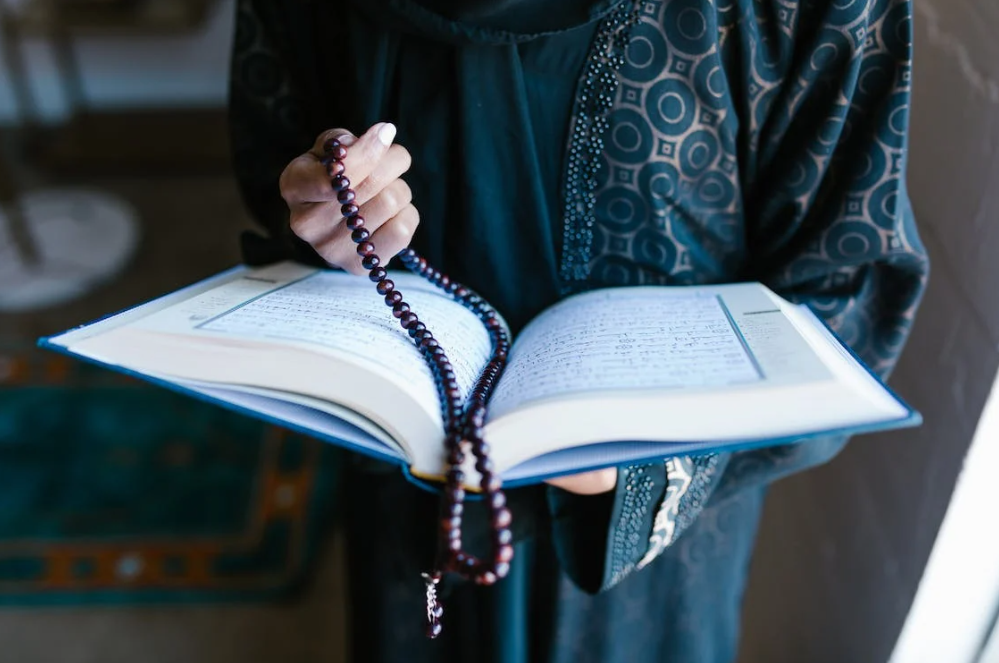
The global Muslim community, the Ummah, finds itself grappling with the heart-wrenching reality of witnessing the ongoing crisis in Palestine. The sheer brutality and dehumanization seen through videos and posts on various platforms have left many feeling overwhelmed, silenced, and, at times, defeated. The challenges extend beyond the emotional toll, encompassing the risks of speaking out against the injustices, personally and professionally.
During these challenging times for all Muslims, the Quran emerges as guidance, offering a roadmap to manage this hardship, keep resilience, and keep our hopes and prayers up. Muslim American Society, along with other well-known Muslim organizations, works nonstop to raise awareness and share hope for everyone in such times of crisis.
Remembering Allah’s Guidance in Hardship
Surah al-Buruj recounts the story of believers who faced brutal persecution and massacre. Despite the apparent silence of the world, the Quran emphasizes Allah’s attribute as As-Shaheed (The Witness), underscoring that even if the world turns a blind eye, Allah bears witness to the suffering and oppression. The Surah also invokes Al-Aziz (The Almighty), reminding believers that ultimate power lies with Allah, who grants strength and dignity to whom He wills.
Amidst hardship, reflecting on Allah’s attributes becomes a source of strength. Grounding all Muslims aware that Allah witnesses everything offers a perspective exceeding immediate suffering. The Quranic descriptions of Allah’s qualities serve as a reminder that, while oppressors may seem to have control, ultimate authority lies with the Almighty.
The Quranic narrative advises against making specific predictions about the timing or manner of victory. The story of the Romans in Surah Ar-Rum serves as a cautionary story, illustrating the pitfalls of attempting to interpret divine prophecies without certainty. Hope is encouraged, but it should be tempered with humility, acknowledging that the details of Allah’s plan are beyond human comprehension.
The opening verses of Surah ar-Rum, promising victory, highlight the importance of patience and trust in Allah’s timing. Just as Abu Bakr’s premature prediction led to misconceptions, believers are urged to avoid falling into the trap of overinterpreting verses. The outcome belongs to the believers, but the specifics remain known only to Allah.
Muslim American Society Lists Actionable Steps to Overcome Despair
In the face of grief and powerlessness, the Quran prescribes actionable steps to overcome these debilitating emotions. The Muslim American Society has shared these steps to navigate hardship:
Read the Quran: Find solace and perspective in Allah’s words. Reflect on relevant surahs such as Aal ‘Imran, al-Ankabut, al-Anfal, al-Ahzab, and al-Buruj to renew your connection with Allah.
Night Prayers: Stand in night prayers, seeking strength and resilience. Recite the relevant surahs and make dua for those suffering and your own heart. Turn to Allah with both your grief and your hope.
Moderate Media Consumption: While awareness is crucial, excessive exposure to distressing images and propaganda can desensitize and demoralize. Strike a balance between staying informed and engaging in spiritual practices.
Ignore Pessimists: Uphold optimism and hope, even when faced with skepticism. Remind yourself and others of the Prophet’s guidance to continue doing good, regardless of the immediate impact.
Do What You Can: Take tangible actions within your capacity and leave the results to Allah. Understand that the outcome is in Allah’s hands, and your responsibility is to try sincerely.
More on Faith & Culture
See all →

Related
MAS 2023 Revive Packs – Insightful Islamic Resources for Youth and Community
The Muslim American Society (MAS) is committed to providing valuable resources and educational materials to empower youth and strengthen communities. In 2023, MAS released a series of informative and thought-provoking Revive Packs on various topics designed to help youth and the overall community deepen their understanding and connection to different aspects of life with the…
Muslim American Society (MAS) Podcast – In the Shade of Ramadan
Discover the enriching journey of spiritual growth with the Muslim American Society (MAS) podcast series, “In the Shade of Ramadan.” Explore its 30-year legacy, communal significance, and top episodes from the previous season, delving into themes like forgiveness, worship, family bonds, social justice, and generosity. Muslim American Society (MAS) Podcast In the Shade of Ramadan…
Muslim America Special Feature: Ramadan Kareem
Celebrating Ramadan Kareem: A Special Feature by Muslim America Learn about the various Muslim America organizations and institutions that are offering support and resources during Ramadan. From promoting Islamic principles and social justice to providing educational resources and aid to underprivileged populations, these organizations and individuals are dedicated to making a meaningful impact during this…