Why Akbar Hussaini Wrote “The Great Disconnect Between Islam and Muslims”
In a first-person article on IslamiCity, author Akbar Hussaini traces his book The Great Disconnect Between Islam and Muslims to a journey from Hyderabad to the US and a post-9/11 identity search. He argues that Muslims have outsourced their religious understanding and that blunt language is needed to wake the Ummah.

Hussaini’s account begins with inherited defeat. Born in Hyderabad to an accountant and a school teacher, he writes that his parents were not especially religious and were too consumed by survival to dwell on the state of Muslims. They had lived under a Muslim king and then watched that rule end when the new Indian state took over by force. Hussaini says the death toll ran to tens of thousands, if not hundreds of thousands. Historians dispute figures for the 1948 events, so that number is best read as the author’s own recollection of family memory rather than settled fact.
What stayed with him, he writes, was a childhood awareness of belonging to a people who had lost. He left India at the first chance, and by his own account was busy with a family and a business in the US until 9/11. Then, he says, his Muslim-sounding name put him back on the defensive, and the aftermath pushed him to examine his identity and his faith.
Muslim Identity After 9/11: The Question That Started It All
For many Muslims in the West, 9/11 prompted the same reckoning. Hussaini says his study and comparison with other religions left him convinced that no faith is more logical than Islam. He also found something troubling: in his view, most Muslims know their religion only in fragments, from the imam or the alim, blended with family upbringing.
The Quran Language Barrier and the “Outsourced” Deen
The central argument of the article is that Muslims handed responsibility for understanding Islam to professionals. Hussaini points to several obstacles for ordinary believers:
- Questions that try to connect those fragments are often met with reprimand.
- The Quran’s Classical Arabic differs from the spoken Arabic even Arabs grew up with.
- Translations carry inaccuracies, which he says he confirmed, though he still considers them better than abandoning the effort to understand the text.
From this, he argues, a Deen emerged that only faintly resembles what the Prophet Muhammad (SAWS) taught. He names other historical and theological factors in the decline too, and says his conclusions come from years of studying Muslim history.
Why the Author Chose a “Prickly” Tone
Hussaini says other books on the topic reach similar conclusions but tiptoe, hedge and obscure the causes. He suspects some authors fear offending the people involved or losing standing among professionals who favor tradition over questioning. As “an ordinary Muslim,” he writes, he had nothing to lose.
He is upfront that the tone is deliberate. He expects critics to call him too direct and simplistic, but says an ambiguous hint will not reach an Ummah he describes as numb to genocides, war crimes and corruption.
Facts, Not Blame: The Book’s Stated Method
The author says the book, for all its barbs, rests on research and verifiable facts from history, philosophy and theology. He avoids naming individuals and follows what he calls the Islamic principle of blaming the sin, not the sinner. He also resists turning people into infallible saints or irredeemable villains.
What Readers Should Weigh
As an author’s statement introducing his own book, the piece should be read as both advocacy and explanation. Hussaini is an engineer and entrepreneur, not a trained historian, and his sweeping claims about clergy, translations and the cause of the Ummah’s decline are his own conclusions. Scholars have long debated those very questions and reached very different answers. Whether a deliberately provocative tone helps or hinders the self-examination he wants is also debatable. Still, his stated aim, a clear definition of the problem as the first step toward solutions, speaks to a conversation many Muslims are already having.
Read the full article on IslamiCity: https://www.islamicity.org/107306/why-i-wrote-the-book-the-great-disconnect-between-islam-and-muslims/
Source: IslamiCity.
More on Community
See all →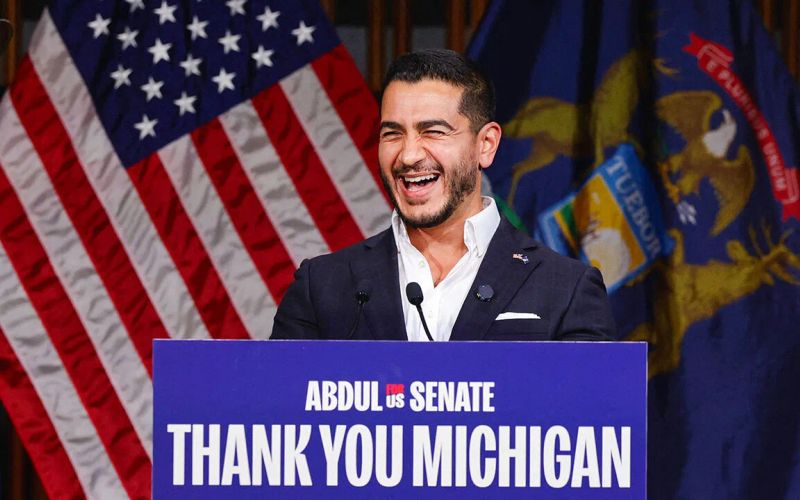
Muslim Americans Build Political Power as First Muslim Senator-Elect Joins Record Wave of Muslim Officials
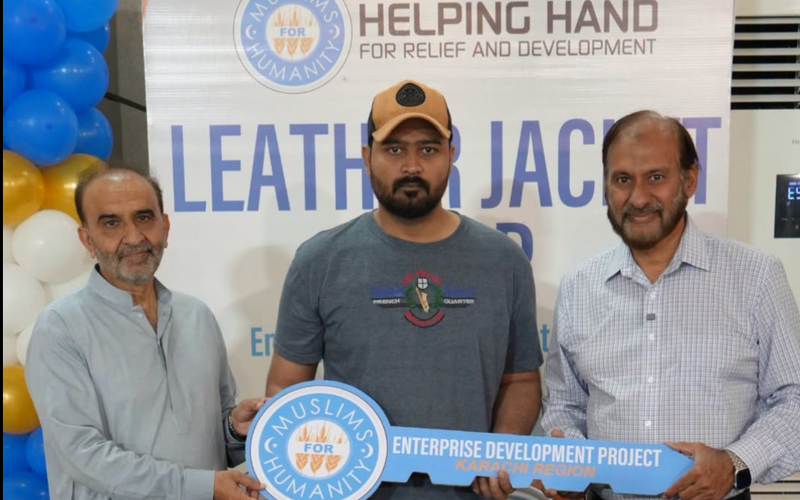
Helping Hand for Relief and Development Equips 30 New Entrepreneurs in Karachi

Helping Hand for Relief and Development Brings Water and Shelter to Returning Syrian Families
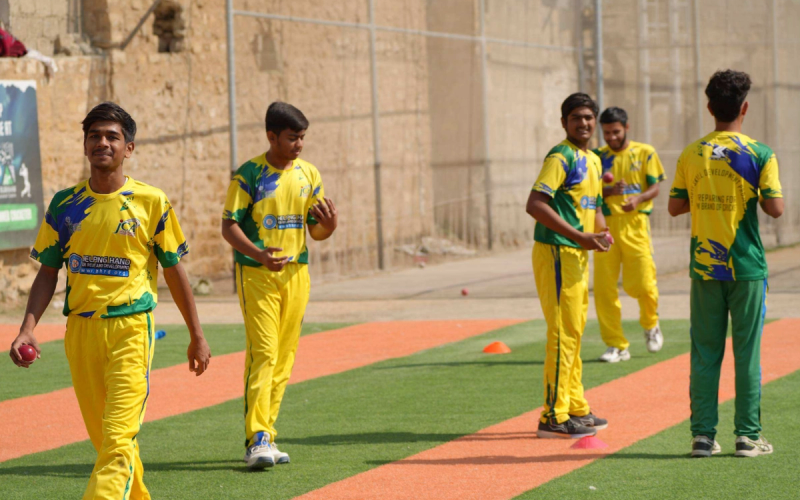
Helping Hand for Relief and Development’s Youth Cricket League “Strikers” Qualify for Global Tournament in Dubai
Related
IslamiCity’s “Light Upon Light” Episode 71 Explores Three Things Worth Keeping Private
IslamiCity’s Light Upon Light Episode 71 explores three things worth keeping private, offering faith-based guidance on discretion, trust, and gratitude. It also reminds listeners that privacy should never stop them from seeking help.
IslamiCity Spotlights Community Feeding Program in New York
One in five New Yorkers, about 1.6 million people, lack sustainable access to food, and community feeding programs are stepping in to close the gap. Citing IslamiCity, this article looks at how neighborhood efforts like Mercy Truck deliver trusted, halal meals across all five boroughs.

IslamiCity Light Upon Light Podcast: Discussing the Sydney Tragedy, Healing, and Standing Together
In the aftermath of the recent tragedy in Sydney, communities worldwide have been grappling with grief, fear, and uncertainty. IslamiCity’s podcast Light Upon Light stepped into this conversation with Episode 37, focusing on healing, standing together, and fostering understanding in difficult times. The episode emphasizes how communities both local and global can respond to tragedy…